
May 11th, 2026
SpotOn has built a solid reputation in the restaurant POS market. It offers a broad feature set, competitive processing rates, and a platform designed specifically for food service. For many operators, switching to SpotOn has been a genuine upgrade from legacy systems like Micros or Aloha.
Across review platforms like Capterra, Trustpilot, and the BBB, a consistent pattern of concerns emerges: billing discrepancies that take months to resolve, payment processor lock-in that makes leaving expensive, support that struggles to keep pace during high-volume service, and a system that certain restaurant types find wasn’t designed with their workflow in mind.
If you are a current SpotOn customer weighing your options, or an operator evaluating systems before signing, this guide covers the top alternatives and what each one does better for restaurants.
Understanding what drives operators away from SpotOn helps frame which alternatives are worth exploring.
This is the most consistently reported complaint across independent review platforms. One Capterra reviewer described five months of repeated overcharges totaling over $1,300, despite escalating the issue to a sales rep, a restaurant team, a director of sales, and several others with no resolution in sight. These billing concerns are not isolated. They appear repeatedly across the BBB, Trustpilot, and various user comment sections, making it the single most cited reason restaurant operators start researching alternatives.
SpotOn operates on a fully integrated model, you must use SpotOn Payments. There is no option to bring your own processor. If at some point you want to switch, the cost is a $995 conversion fee plus your software license cost doubles. That structure makes it expensive to reconsider even if you find a better processing rate elsewhere, and it means you are making a long-term financial commitment at the moment you sign, whether you realize it or not.
SpotOn advertises month-to-month flexibility, which is accurate for the software subscription. However, if you use SpotOn’s financing program to purchase hardware and cancel within the first year, you are required to pay the difference between any discounted hardware price you received and the full list price of all hardware purchased. For restaurants that received significant hardware discounts at signing, that gap can be substantial. The lack of a long-term contract can feel like a technicality when you are still on the hook for hardware.
SpotOn promotes 24/7 support, and many users report positive experiences. But a recurring complaint involves long wait times, difficulty reaching support staff capable of resolving complex technical issues, unresolved tickets, and poor communication around software bugs or updates. One reviewer put it plainly: “Customer service knows very little about the product and can’t solve problems. They tell you 48 hours, how can you wait 48 hours to solve a problem with your point of sale?” For a restaurant mid-service, that is not a workable answer.
SpotOn’s platform is designed to serve a wide range of restaurant types, but that breadth can be a limitation for specialty concepts. Operators running pizza shops, bubble tea bars, or counter-service concepts with complex modifier trees have noted that the system was not built with their specific workflow in mind. The integration marketplace is also relatively sparse compared to more open platforms, limiting connection to third-party tools some operators already rely on.
Switching POS systems is a significant operational decision, and the feature list every provider shows you will look impressive. The questions below help cut through the marketing and focus on what will actually affect your day-to-day once you are live.
| Feature | Importance | Why It Matters |
|---|---|---|
| Billing Transparency | ★★★★★ | Prevents billing surprises month over month — the #1 complaint SpotOn customers report across review platforms |
| Payment Processor Options | ★★★★★ | Avoids costly lock-in if rates become uncompetitive; exiting SpotOn's processor costs $995 plus doubled software fees |
| Contract Terms & Exit Costs | ★★★★★ | Protects you if the system doesn't work out; hardware financing can create de facto lock-in even without a formal long-term contract |
| Support Quality | ★★★★★ | Determines how quickly issues get resolved mid-service; 24/7 coverage means nothing if the person answering can't fix the problem on the spot |
| Online Ordering Integration | ★★★★★ | Native integration eliminates re-entry errors and commission fees; bolted-on third-party solutions create missed tickets and tablet management headaches |
| Menu & Modifier Management | ★★★★★ | A poorly designed modifier flow creates kitchen errors and slows service; critical for specialty concepts with complex builds and allergy notes |
| Reporting & Analytics | ★★★★★ | Turns daily sales data into decisions on food cost, labor, and item-level performance — should be accessible without a support call |
| Multi-Location Management | ★★★★★ | Lets you push menu updates and view consolidated reporting across locations without logging into separate accounts for each site |
| Table Management | ★★★★★ | Critical for full-service and dine-in operations; poor table layout visibility slows turn times and creates front-of-house confusion during peak service |
| Loyalty & Marketing Tools | ★★★★★ | Builds first-party customer data and drives repeat visits; native tools reduce reliance on third-party platforms that charge fees or own the customer relationship |
Before evaluating specific systems, it helps to define what would actually solve the problems above.
← Scroll to see all providers →
| Feature | Toast | Square | Lightspeed | Snappy | TouchBistro |
|---|---|---|---|---|---|
| Billing Transparency | ★★★★★ | ★★★★★ | ★★★★★ | ★★★★★ | ★★★★★ |
| Payment Flexibility | ★★★★★ | ★★★★★ | ★★★★★ | ★★★★★ | ★★★★★ |
| Front-of-House Workflows | ★★★★★ | ★★★★★ | ★★★★★ | ★★★★★ | ★★★★★ |
| Integrated Online Ordering | ★★★★★ | ★★★★★ | ★★★★★ | ★★★★★ | ★★★★★ |
| Modifier & Menu Management | ★★★★★ | ★★★★★ | ★★★★★ | ★★★★★ | ★★★★★ |
| Reporting & Analytics | ★★★★★ | ★★★★★ | ★★★★★ | ★★★★★ | ★★★★★ |
| Multi-Location Support | ★★★★★ | ★★★★★ | ★★★★★ | ★★★★★ | ★★★★★ |
| Setup & Onboarding | ★★★★★ | ★★★★★ | ★★★★★ | ★★★★★ | ★★★★★ |
| Contract Flexibility | ★★★★★ | ★★★★★ | ★★★★★ | ★★★★★ | ★★★★★ |
Best for: Restaurants that want an all-in-one platform for POS, online ordering, kiosks, loyalty, and marketing without managing multiple disconnected tools.
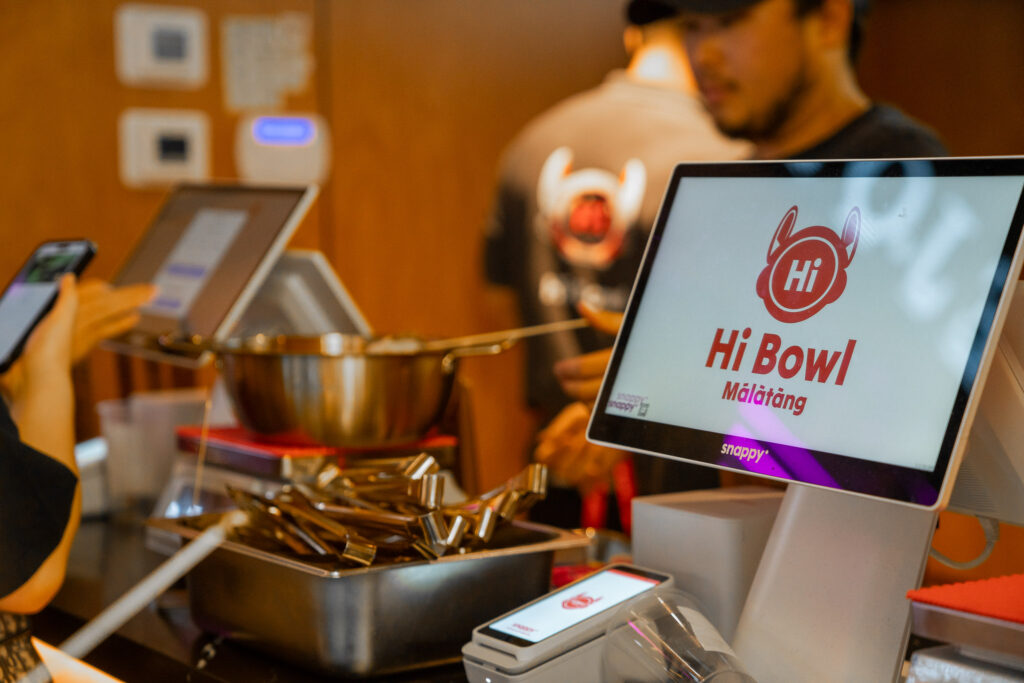
If the core reason you are evaluating alternatives is operational fragmentation, Snappy POS is the most direct answer.
Key Strengths Over SpotOn:
Snappy is a strong fit for restaurants that have outgrown a fragmented tech stack and want a single system to manage how they take orders, market to guests, and track performance without paying for five separate platforms or dealing with ongoing integration maintenance.
Best for: Full-service restaurants that need strong dine-in workflows, tableside ordering, and deep kitchen integration.
Key Strengths Over SpotOn:
The honest tradeoff is that Toast has its own documented issues around long-term contract terms, payment processor lock-in, and add-on costs. Comparing total cost of ownership carefully before signing is essential.
Best for: Small restaurants, cafes, and counter-service concepts that want predictable pricing, no contracts, and a simple setup.
Key Strengths Over SpotOn:
The limitation is scale. Square is not designed for operational complexity. Restaurants with large modifier trees, extensive floor plans, multi-location reporting needs, or high in-house direct ordering volume will find it underpowered.
Best for: Multi-location operators and fine dining restaurants that need deep menu control, advanced inventory, and detailed reporting.
Key Strengths Over SpotOn:
The caveat is that Lightspeed requires more setup and configuration than simpler systems. Operators switching from SpotOn should budget time for onboarding and menu buildout.
Best for: Full-service and fine dining restaurants that prioritize clean table management and a smooth front-of-house experience.
Key Strengths Over SpotOn:
The tradeoff is that TouchBistro’s back-office capabilities often require additional integrations rather than being native to the platform. It is a strong front-of-house system for full-service restaurants, but operators who need a comprehensive all-in-one solution will likely need to add other tools alongside it.
The right choice depends on which specific SpotOn problem you are trying to solve:
The most frequently cited reasons across independent review platforms are billing discrepancies that are difficult to resolve, mandatory payment processor lock-in with a $995 fee to switch, support inconsistency during peak service hours, and system fit issues for specialty restaurant types like pizza shops and kiosk-forward concepts.
SpotOn’s software subscription is month-to-month, which is a genuine advantage. However, if you financed hardware through SpotOn and cancel within the first year, you will owe the difference between any discounted price you paid and the full list price of the hardware. After one year, you own the equipment and can cancel with notification.