

January 16th, 2026
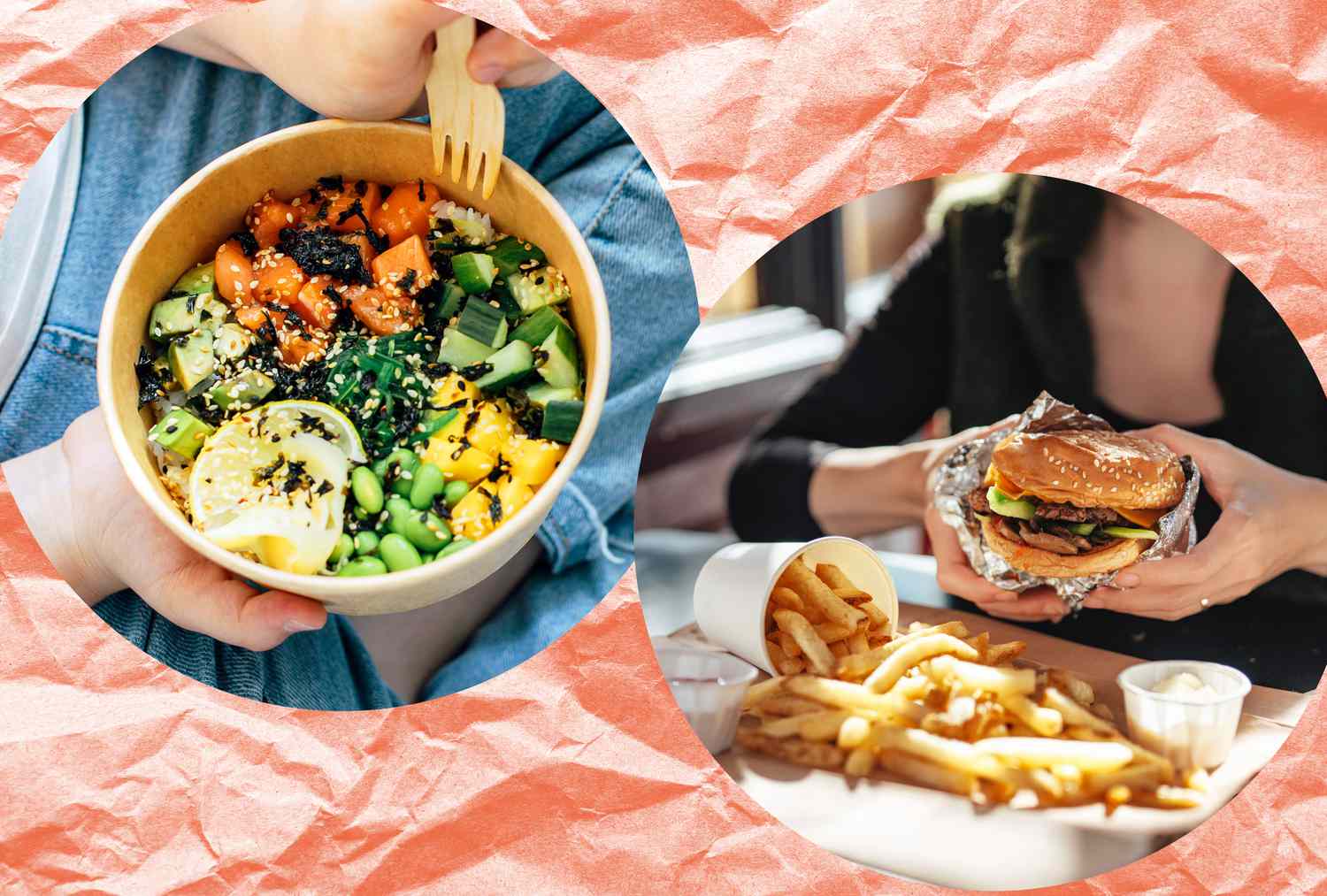
If you’re building a restaurant concept in 2026, “fast food vs. fast casual” isn’t just a branding debate, it’s an operating system choice. Each model wins in different ways: speed and performance vs. perceived quality and ticket size, tight menu engineering vs. customization, drive-thru dominance vs. frictionless pickup shelves and digital loyalty.
Below is a practical breakdown for restaurant operators, backed by recent industry data and real-world brand examples.
Fast food and fast casual are operating systems and each is built to win on different economics, workflows, and customer expectations.
Fast food prioritizes speed, consistency, and value, making it more resilient in price-sensitive markets and during economic pressure.
Fast casual commands higher checks, but only works when operators clearly justify price through portion size, quality, customization, and speed.
Off-premises dominates both models, but fast food is structurally better optimized for drive-thru, delivery, and high-volume pickup.
Menu complexity is the biggest profit risk in fast casual, as customization increases labour, training, and peak-hour bottlenecks.
Labour efficiency favours fast food, while fast casual requires tighter systems to prevent throughput breakdowns during rush periods.
Customer expectations differ sharply: fast food guests buy speed and familiarity, while fast casual guests buy perceived quality and identity.
Many operators are moving toward hybrid models, combining fast-casual food cues with fast-food operational discipline.
While fast food and fast casual often compete for the same guests, they behave very differently once you look at pricing pressure, off-premises demand, menu design, labor performance, and brand expectations. The table below breaks down where each model wins and where operators need to be most careful.
|
Area
|
Fast Food
|
Fast Casual
|
|---|---|---|
|
Price point, check size & value pressure
|
Lower average checks built around value, bundles, and price clarity; more resilient when consumers trade down
|
Higher average checks with higher expectations for portion size, ingredient quality, speed, and hospitality; more exposed to inflation fatigue
|
|
Traffic trends under pressure
|
Traffic improved as value-seeking increased
|
Traffic growth slowed as guests became more price-sensitive
|
|
Off-premises mix
|
Designed for off-premises by default: drive-thru, fast service, simplified menus, and packaging discipline
|
Strong in digital ordering and pickup, but higher risk of food quality issues in delivery (temperature, sogginess, missing modifiers)
|
|
Menu complexity
|
Wins by limiting choice: fewer SKUs, fewer modifiers, tighter station design, predictable prep
|
Customization drives appeal, but increases labor, training, waste, and peak-hour bottlenecks if not systemized
|
|
Operational rule of thumb
|
Simplicity protects speed and margins
|
Every new ingredient must justify itself in sales lift and operational cost
|
|
Labour model & throughput
|
Built for maximum throughput per labor hour and fast onboarding
|
Fresh prep and customization add steps, slow decision-making, and can break peak performance
|
|
Performance under peak demand
|
Holds up well when volume spikes
|
More vulnerable to slowdowns and inconsistency during rushes
|
|
Brand positioning
|
Guests buy speed, value, familiarity, and convenience
|
Guests buy perceived quality, customization, and brand identity
|
|
Customer expectations
|
Predictability and convenience (especially for families and commuters)
|
Ingredient quality, lifestyle fit, and control over the order
|
Fast food and fast casual don’t just attract different customers, they demand fundamentally different operating disciplines. Fast food protects margins through simplicity, speed, and value, making it more resilient during price-sensitive cycles. Fast casual relies on perceived quality and customization to earn higher checks, but that advantage disappears quickly if execution falters under labor pressure or off-premises demand.
For operators, the right choice comes down to whether your systems, staffing, and menu design can consistently support the expectations your model createsand especially when traffic peaks and costs rise.
Instead of asking “which model is better?”, operators should evaluate how well each model fits their market, operations, and growth engine. The table below breaks down the five most important inputs to model before choosing between fast food and fast casual.
|
Decision Factor
|
What to Evaluate
|
When Fast Food Fits Best
|
When Fast Casual Fits Best
|
|---|---|---|---|
|
1. Trade area demand pattern
|
Who your guests are and how they use your location
|
Commuter-heavy corridors where speed, drive-thru, and convenience matter most
|
Dense urban or office lunch zones where bowls, sandwiches, and customization win
|
|
2. Peak-hour constraint
|
Are you throughput-limited or demand-limited?
|
Lines form but service can’t keep up → fast food systems or simplified menus protect speed
|
Demand is softer → higher ticket + brand story can lift average check if execution stays tight3
|
|
3. Execution consistency
|
Your ability to deliver the promise every day
|
Works best when speed and accuracy are non-negotiable and highly repeatable
|
Works only if portions, speed, and food quality stay consistent especially during peaks
|
|
4. Real estate & build-out
|
How your space supports off-premises flow
|
Optimized for pickup, drive-thru, and delivery staging
|
Requires pickup shelf visibility, courier flow, packaging stations, and optional dine-in
|
|
5. Marketing engine
|
How you drive repeat traffic and demand
|
Promotions, value bundles, LTOs, and loyalty apps
|
Product quality narratives, seasonal menus, and personalization without over-discounting
|
The winning model isn’t about trendiness, it’s about choosing the system you can execute flawlessly in your trade area, with your team, and under peak-hour pressure.
A lot of winning concepts blend the best of both:
Even fast-casual leaders are acknowledging price sensitivity. NRN highlighted “pushback” on high-priced lunch narratives and noted brands experimenting with entry price points and value communication (e.g., Chipotle, CAVA, Sweetgreen strategies).
Operator move: build a “good/better/best” menu ladder:
Fast food and fast casual succeed for very different reasons. Fast food is built for speed, consistency, and value, making it more resilient in price-sensitive markets and high-volume environments. Fast casual is built for perceived quality, customization, and higher check sizes, but demands stronger execution to avoid labor, throughput, and margin issues.
The right choice isn’t about preference, it’s about aligning the model with your trade area, team capabilities, and off-premises mix. In 2026, the operators who win will be the ones who choose the model that fits their reality and execute it flawlessly every day.
Neither is inherently more profitable. Fast food often delivers stronger margins through scale and efficiency, while fast casual can achieve higher per-ticket revenue—but only if labor, menu complexity, and throughput are tightly controlled.
Yes, in many markets. As inflation fatigue grows, fast casual concepts that fail to clearly communicate value are seeing traffic slow, while value-oriented fast food is regaining momentum.


