
August 5th, 2026
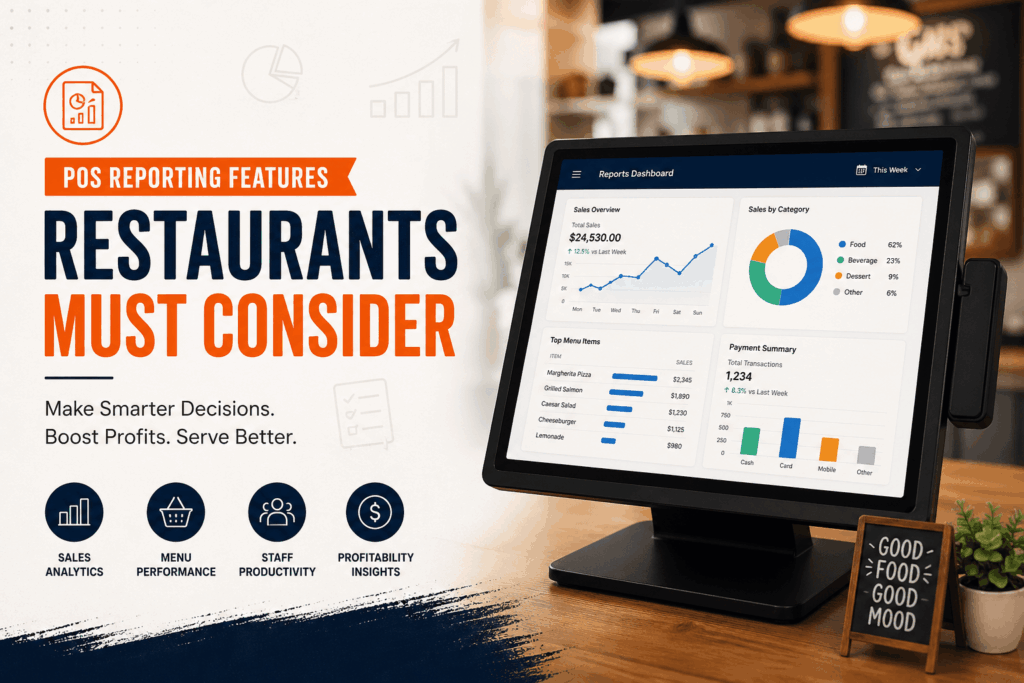
A restaurant POS system used to be judged on how fast it could ring in an order and close a tab. That’s no longer enough. The systems worth paying for in 2026 also have to make sense of the data they collect such as flagging which dishes are trending, forecasting how a rainy Tuesday will affect covers, and turning raw sales numbers into something a manager can act on without building a spreadsheet.
That shift is why “AI features” now shows up on nearly every POS vendor’s homepage. But the term covers a wide range of actual capability, from a basic sales-trend chart labeled as “insights” to systems that can build a customer’s taste profile from their phone number and recommend dishes before they even open the menu.
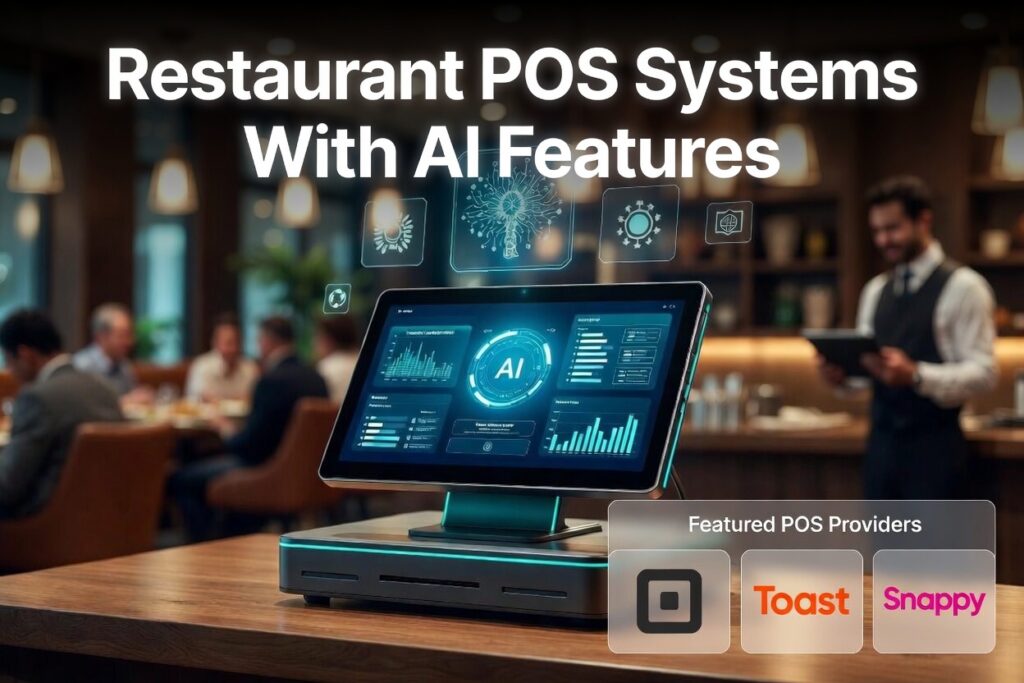
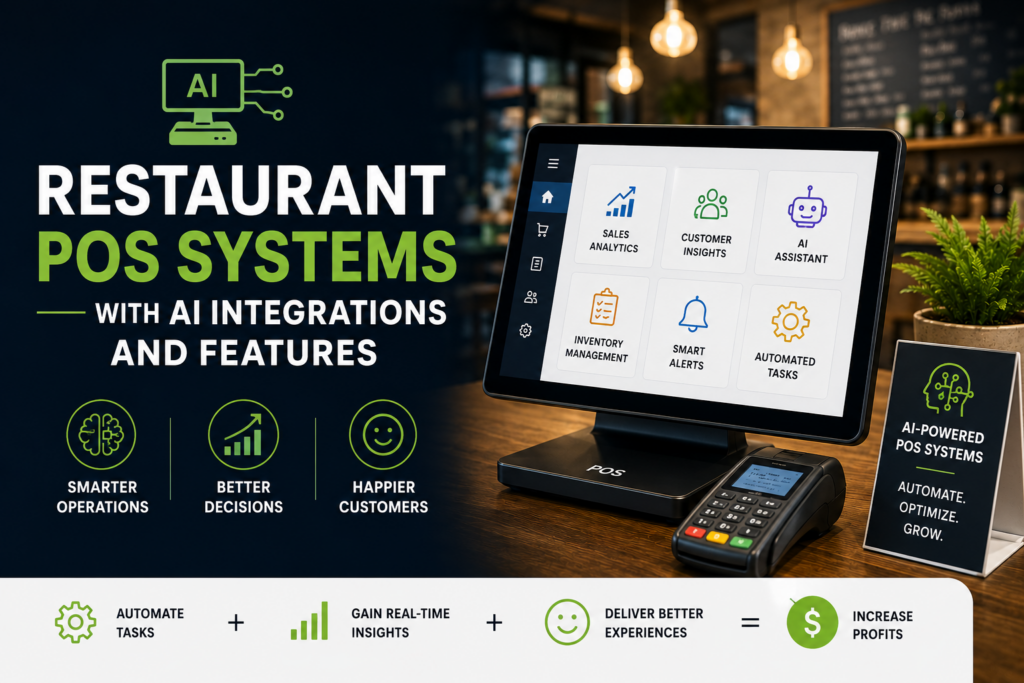
This guide breaks down what AI-powered POS features actually mean in practice, compares how the leading platforms handle them, and takes a closer look at key POS ai features for restaurant operators.
Not all “AI-powered” claims mean the same thing. Here’s what actually matters when comparing systems:
Toast: Widely used across full-service and fast-casual restaurants, with reporting and forecasting tools built into its core analytics suite. AI features are concentrated in sales trend analysis and labor forecasting rather than guest-level personalization.
Square for Restaurants: A strong fit for smaller operators and food trucks, with straightforward reporting and increasingly detailed sales insights. AI capability is more limited than in enterprise-focused platforms, in keeping with its emphasis on simplicity.
Lightspeed Restaurant: Popular with multi-location and upscale operators for its reporting depth and inventory tools. Forecasting and trend analysis are strong, particularly for groups that need to compare performance across several locations.
Clover: Common in quick-service settings for its hardware flexibility. AI features are lighter than Toast or Lightspeed, with most of its differentiation coming from device options and merchant-services bundling rather than analytics.
Snappy POS: Built specifically around AI running through the ordering experience and the reporting layer together, rather than treating AI as a dashboard add-on. Covered in detail below.
Who it’s for: Restaurants and multi-location groups that want AI to actively shape the guest experience and want daily reporting that reads like a manager’s briefing instead of a spreadsheet export.
Most POS platforms apply AI at the reporting stage: sales already happened, and the system tries to make sense of them afterward. Snappy POS is built to apply AI earlier and carry that intelligence through to how reports get written and read.
What it does well:
What other platforms may do better:
Snappy POS is Best for:
Restaurants and restaurant groups that want AI to do more than summarize yesterday’s sales and using it to personalize the guest experience in real time and to turn daily reporting into a narrated briefing rather than a manual export.
AI has become a checkbox feature on almost every restaurant POS homepage, but the depth behind that checkbox varies enormously. Toast, Square, Lightspeed, and Clover each offer solid core POS functionality with AI concentrated mainly in reporting and forecasting. Snappy POS takes a different approach, applying AI at the guest level while also narrating daily, weekly, and monthly business reports in multiple languages with weather-adjusted forecasting built in.
The right choice depends on whether AI needs to be a reporting convenience or an active part of how your restaurant runs day to day.
It varies by vendor. At a minimum, it usually means automated sales trend reporting. More advanced systems use AI for customer personalization, anomaly detection in daily reports, and forecasting that adjusts for variables like weather, rather than just extrapolating from last week’s numbers.
Some can. Snappy POS builds a taste profile from a guest’s phone number and order history, then surfaces personalized menu recommendations based on that profile, rather than showing every guest the same static menu.
Yes, on some systems. Snappy POS supports an AI phone ordering flow where a guest’s order is captured by an AI interface and passed directly into the POS, reducing manual entry and order errors during phone rushes.
It depends on what “advanced” means for your operation. Toast and Lightspeed offer strong forecasting and reporting depth for larger operators. Snappy POS is built around AI across the guest experience and reporting layer together, including personalized recommendations, narrated multi-language business reports, and weather-adjusted forecasting.